

FAQ
Logo workshop covers are protective covers for seats, fenders and floors with your logo printed visibly. They prevent dirt and wear during service and strengthen the company's image to customers.
You can choose disposable or reusable variants for different types of vehicles and tasks.
The most commonly used materials are non-woven/PE for disposable use and heavy-duty polyester or PVC for repeated use. Printing is typically done with screen printing or transfer, depending on the material and motif.
The choice is guided by the desired durability, the details of the logo and cleaning requirements in the workshop.
Start with usage pattern and environment: frequent use and chemicals require strong, wipe-clean covers; short-term tasks can use disposable variants.
Also think about the vehicle type and surfaces (seat, fender, floor). We are happy to help with measurements and recommendations based on your process.
Stock items without printing can usually be delivered in approx. 1 business day. Workshop covers with logo typically have a 2–22 day delivery depending on variant, quantity and printing method.
Minimum quantity varies per solution - contact us for specific figures. Production can often be prioritized by agreement.
Send your logo as a vector file (AI, EPS or PDF) and specify the desired colors, preferably Pantone. We will send a digital proof for approval before production of workshop covers with logo.
If you need a sample, we can send a product sample; samples with printing incur additional costs.
-

Responsible products
Read more about responsible products When choosing promotional items or corporate gifts,...
-
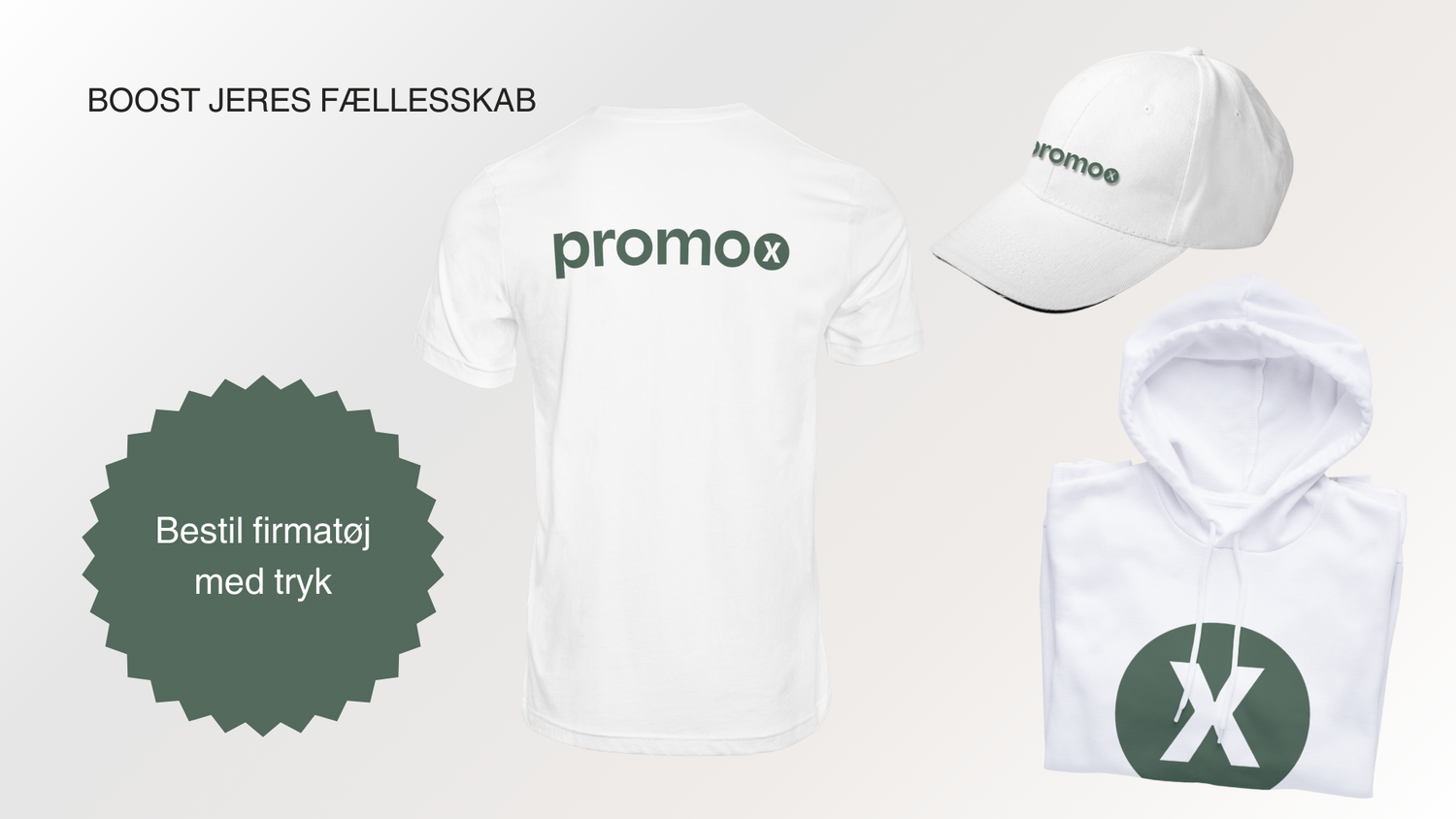
Workwear with print & logo
PromoX is your partner in making work clothes stylish and efficient with...
-

Cap with print
Are you looking for a printed cap that can give your brand...
-

Tote bag with logo or print
Are you looking for printed tote bags that can give your business...


